Activities
Attendance at the ICEMR 2026 Annual Meeting
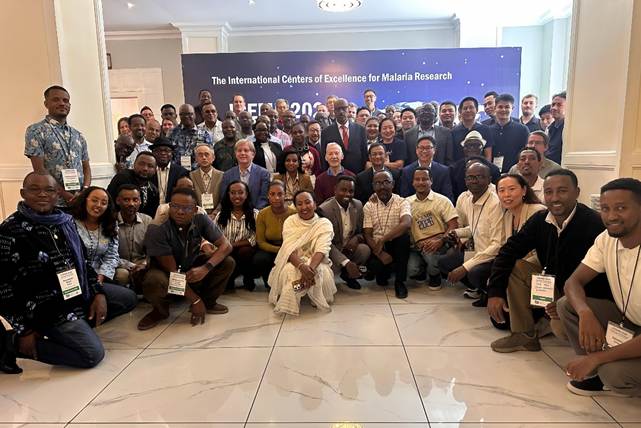
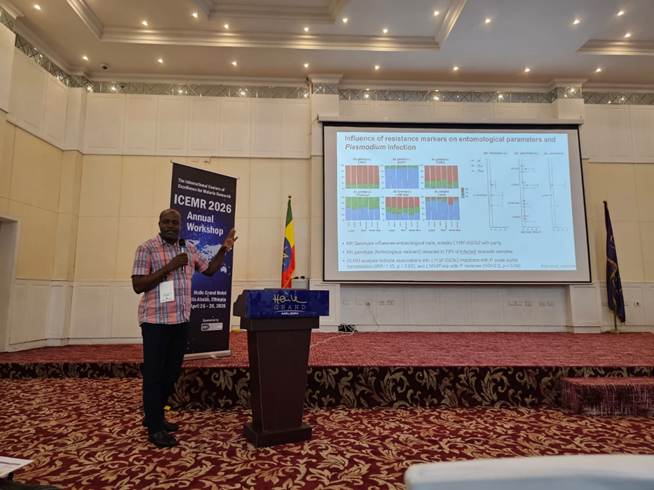
The members of EMERGENTS-ICEMR actively participated in the 2026 Annual ICEMR Annual Meeting held in Addis Ababa, Ethiopia from April 26 to 29, 2026. The meeting brought together researchers, scientists, and partners from the International Centers of Excellence for Malaria Research (ICEMR) network to present findings from ongoing projects and discuss potential opportunities for collaboration among the different ICEMR centers in order to strengthen malaria research and control efforts globally. During the conference, Prof. Rhoel Dinglasan, Prof. Charles Wondji, and Dr. Emmanuel Elanga presented key findings generated through the activities of the EMERGENTS-ICEMR program.
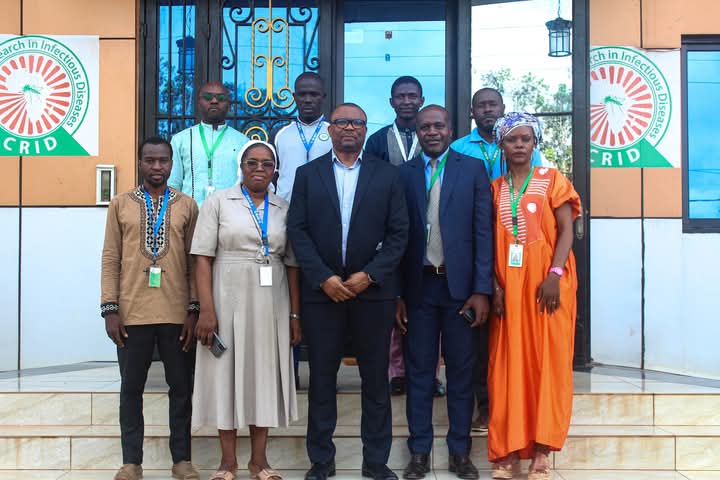
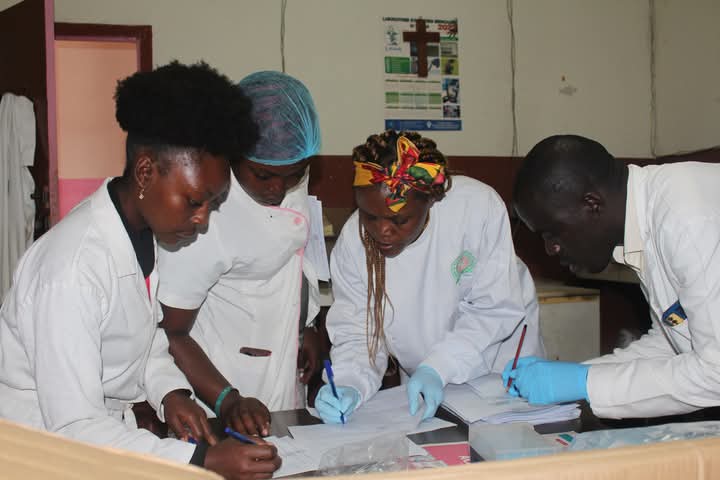
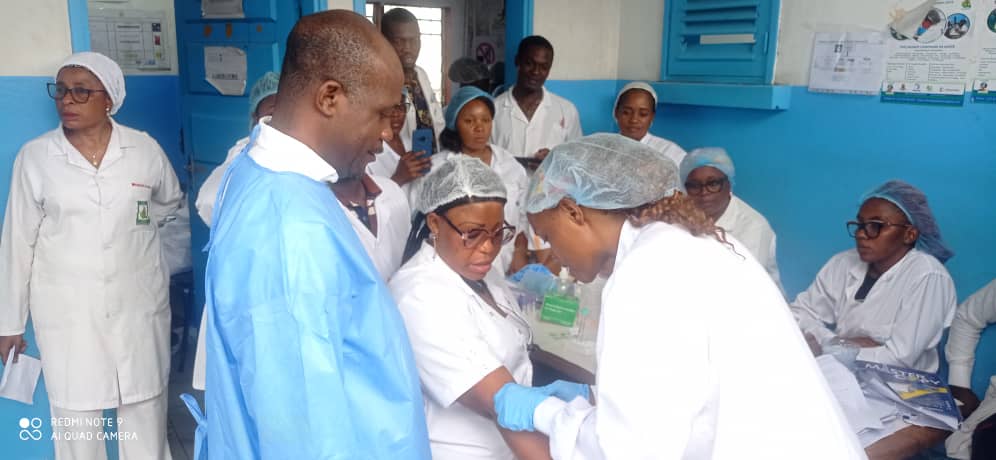
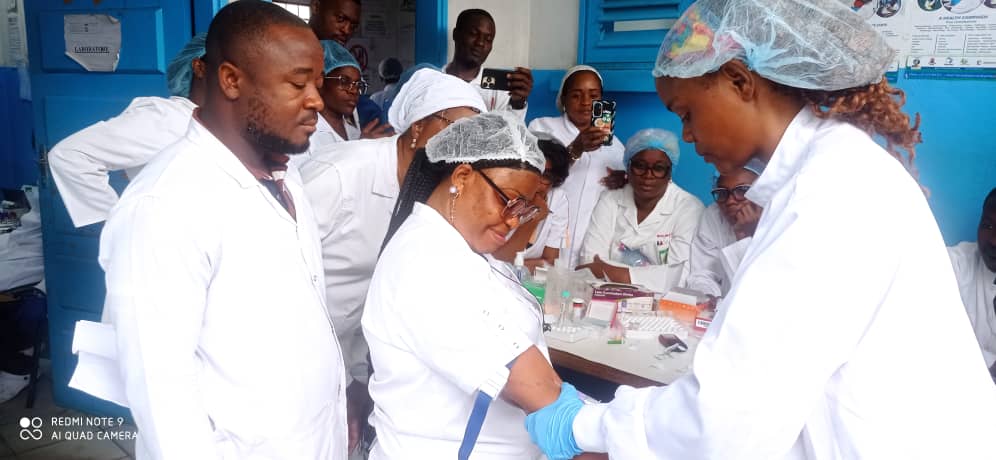
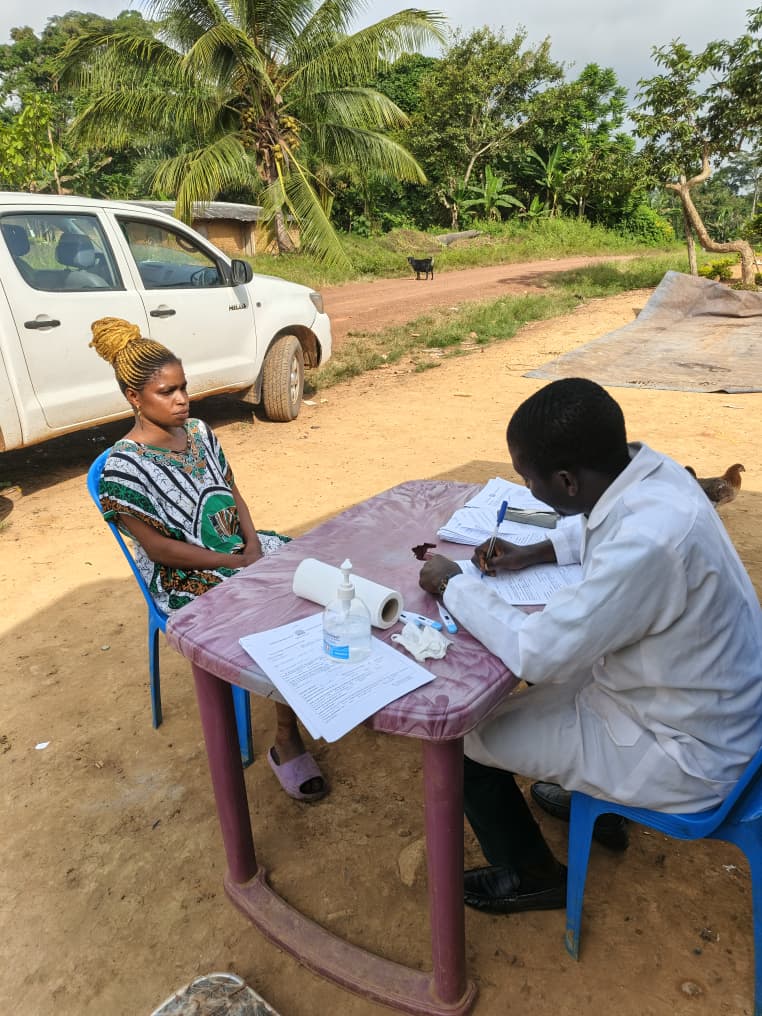
Clinical staff training at Nkol- Eton catholic clinic, Yaoundé from 9 to 11 April 2025.
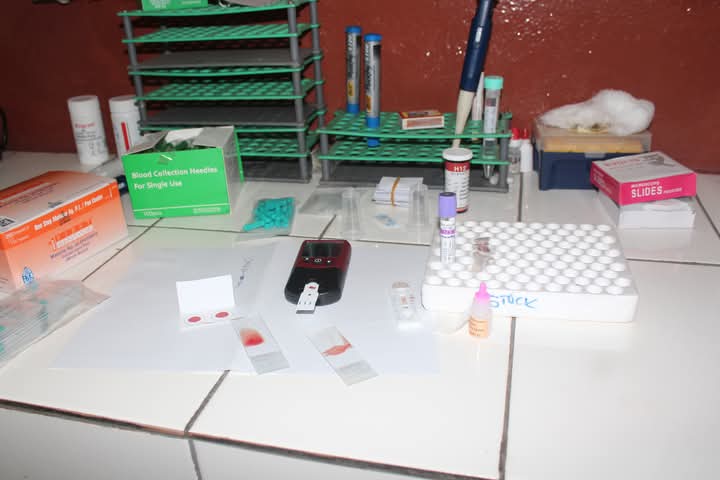
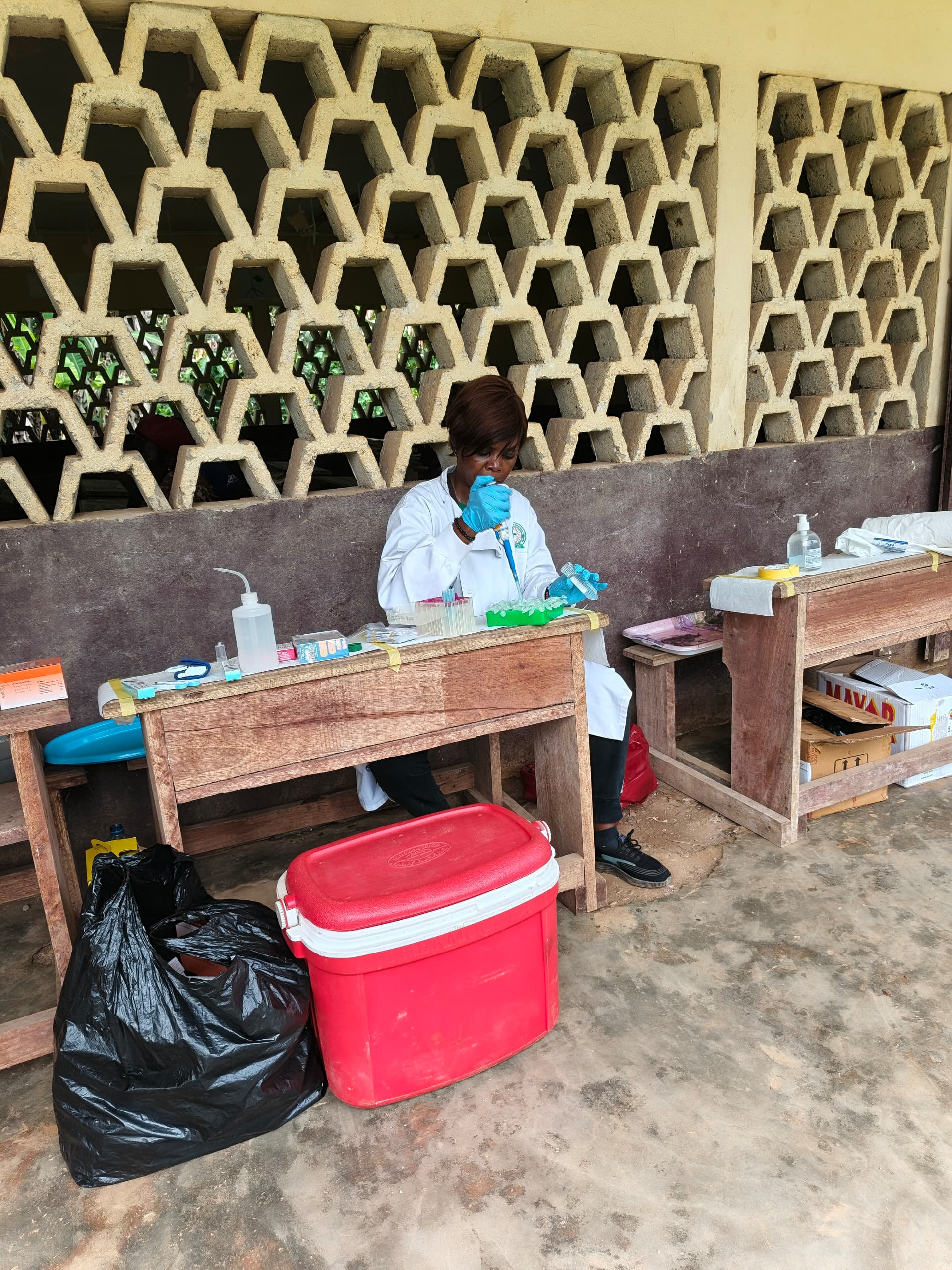
The CRID ICEMR team conducted a training for clinical staff on the project protocol to identify non-falciparum malaria in the symptomatic population. This included a presentation of clinical SOPs, good administration of consent and questionnaire)best practives in participant enrolment, sample collection, processing and storage.
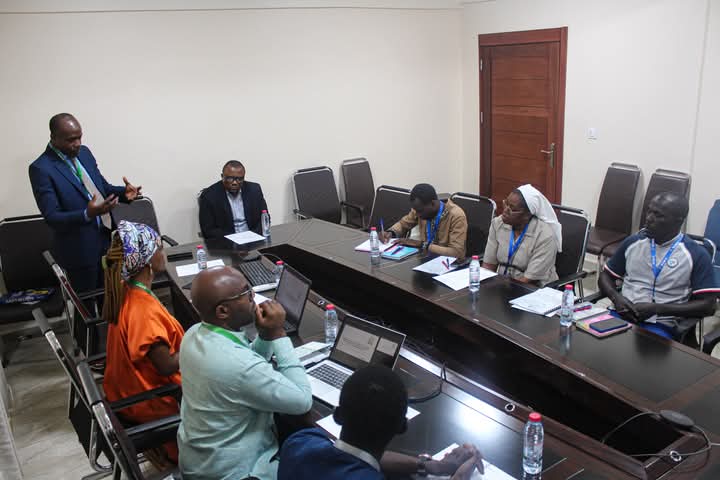
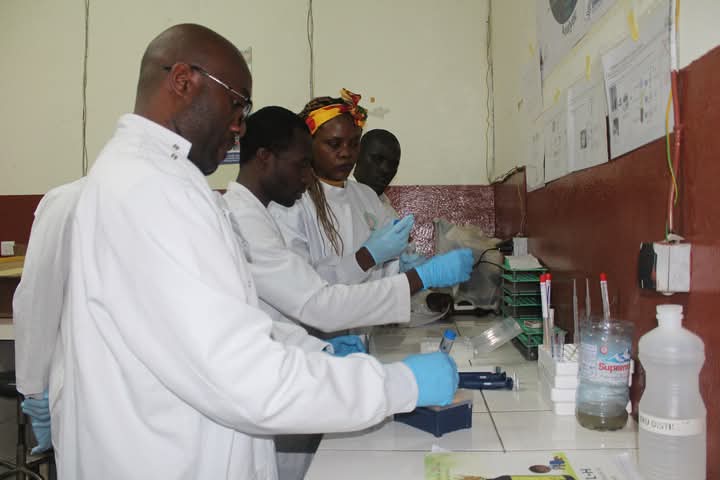
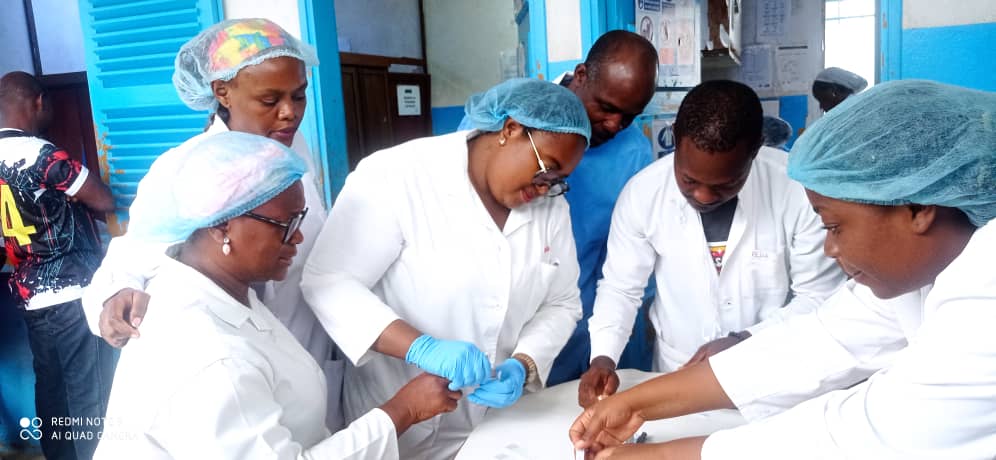
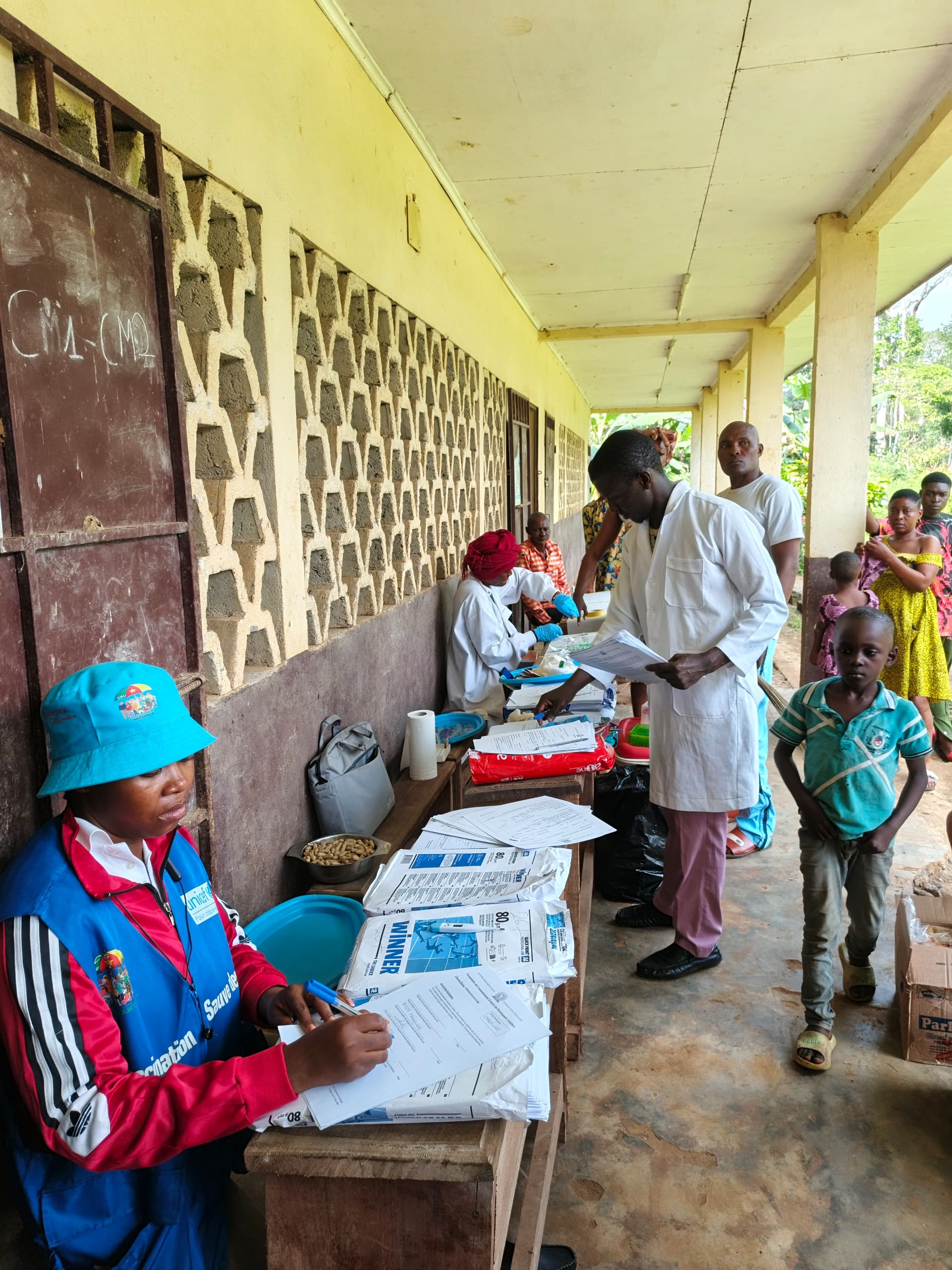
Clinical staff training at district hospital, cité des Palmiers, Douala
THE CRID ICEMR team trained the clinical staff on the project protocol for participant’s enrolment and blood collection.
This included a presentation of clinical SOPs, good administration of consent and questionnaire best practices in participant enrolment, sample collection, processing and storage.
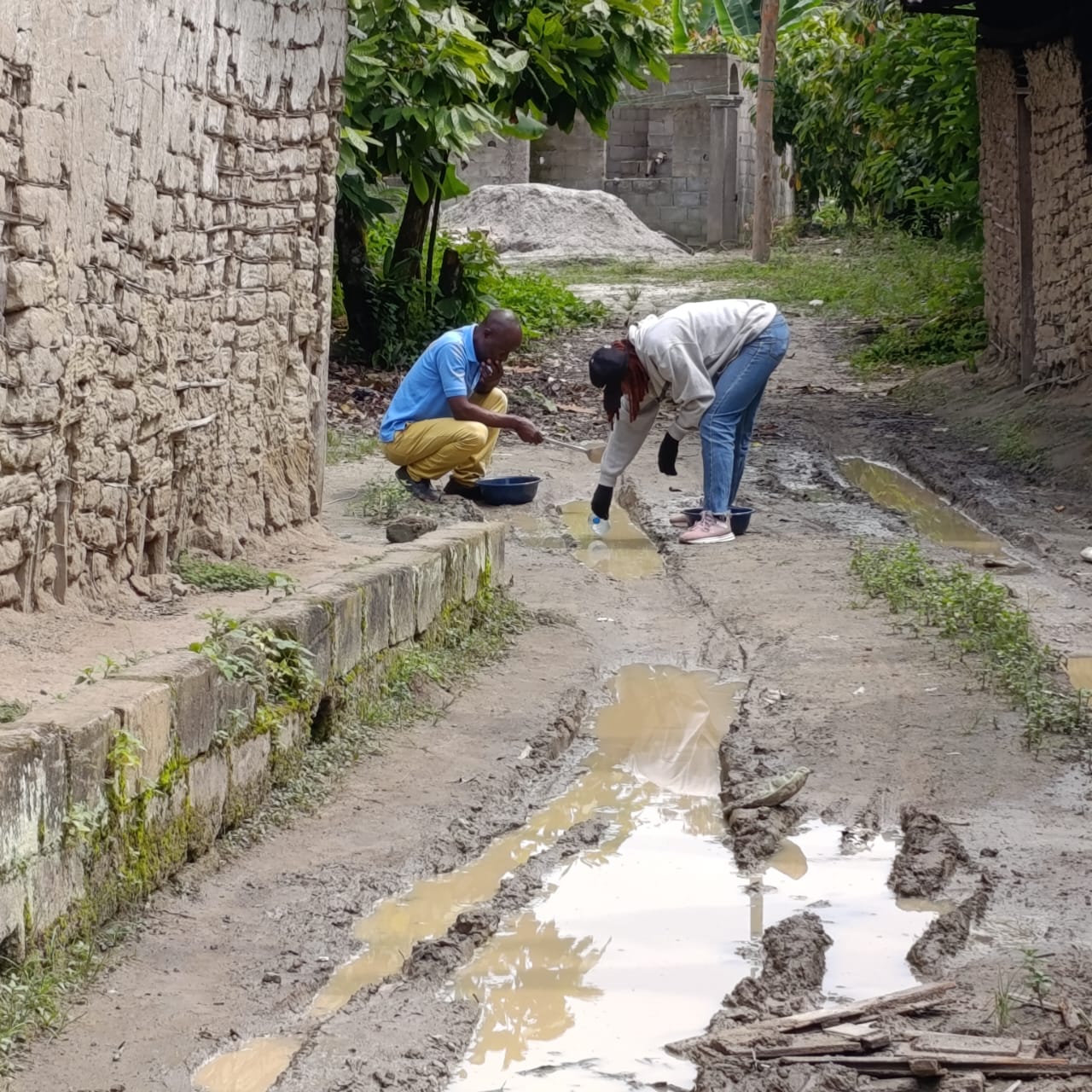
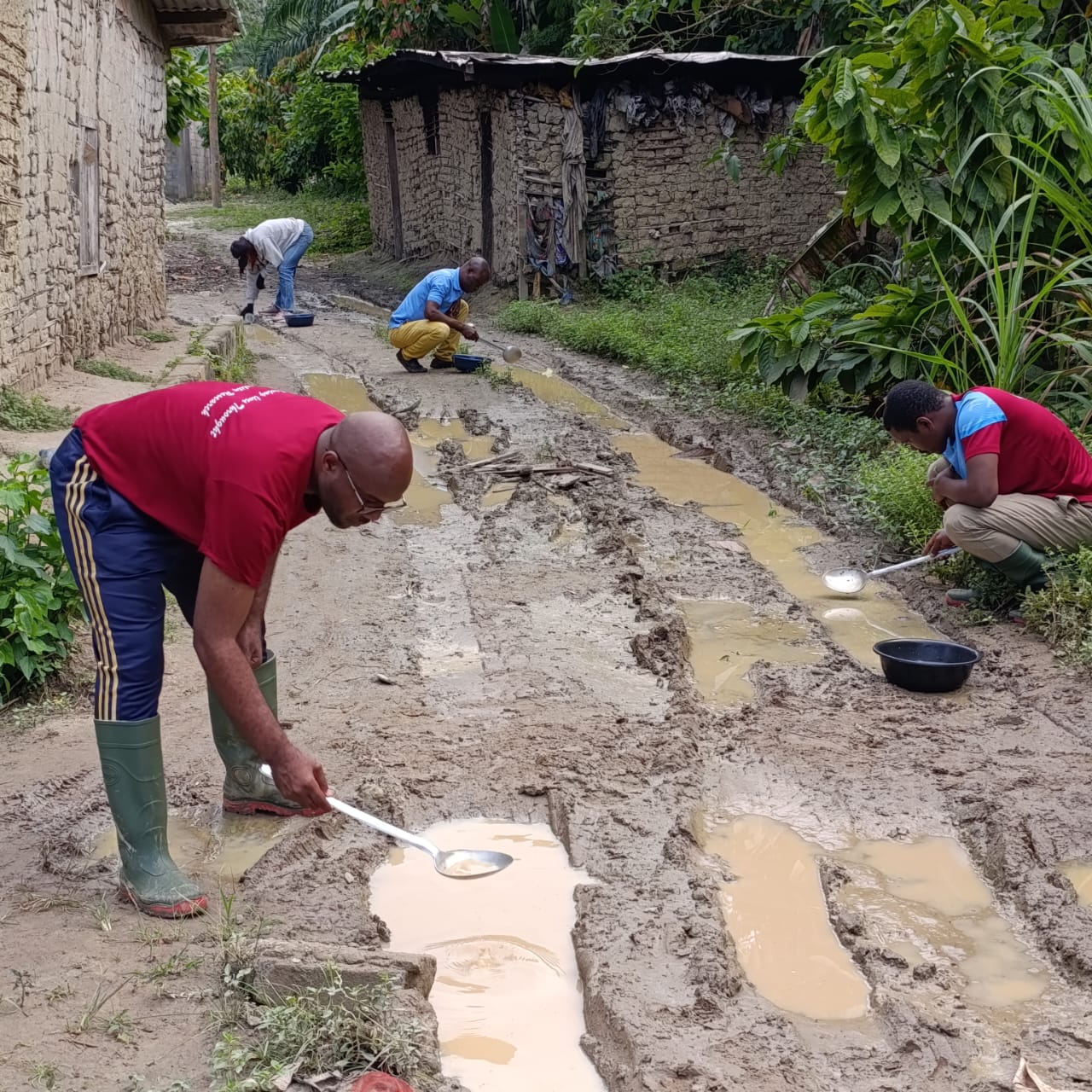
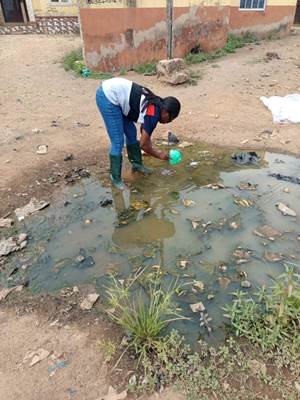
Entomogical survey at Olama: from 24h to 29 november 2025
Entomology survey was perform in Olama from 24 to 29 November 2025 with objective to evaluate the dynamic of vector transmission and insecticide resistance status using different method namely: Human Landing Catches (HLC), Pyrethrum Spray Catches (PSC), mosquito aspiration and larvae collection. Larvae were rear and F1 was used for determine the insecticide resistance status.
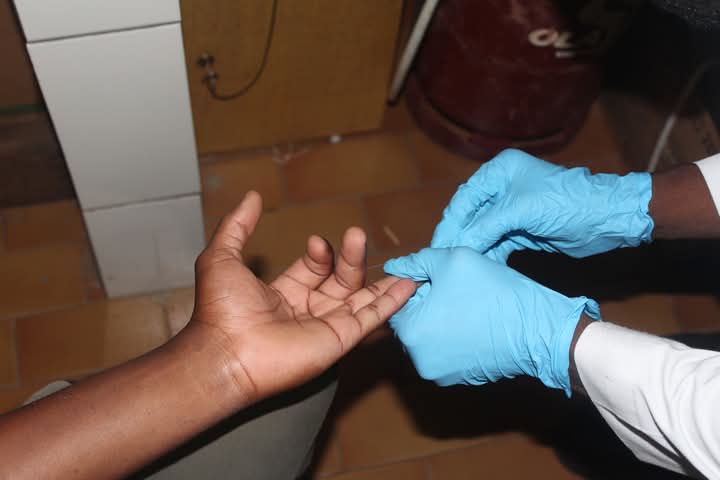
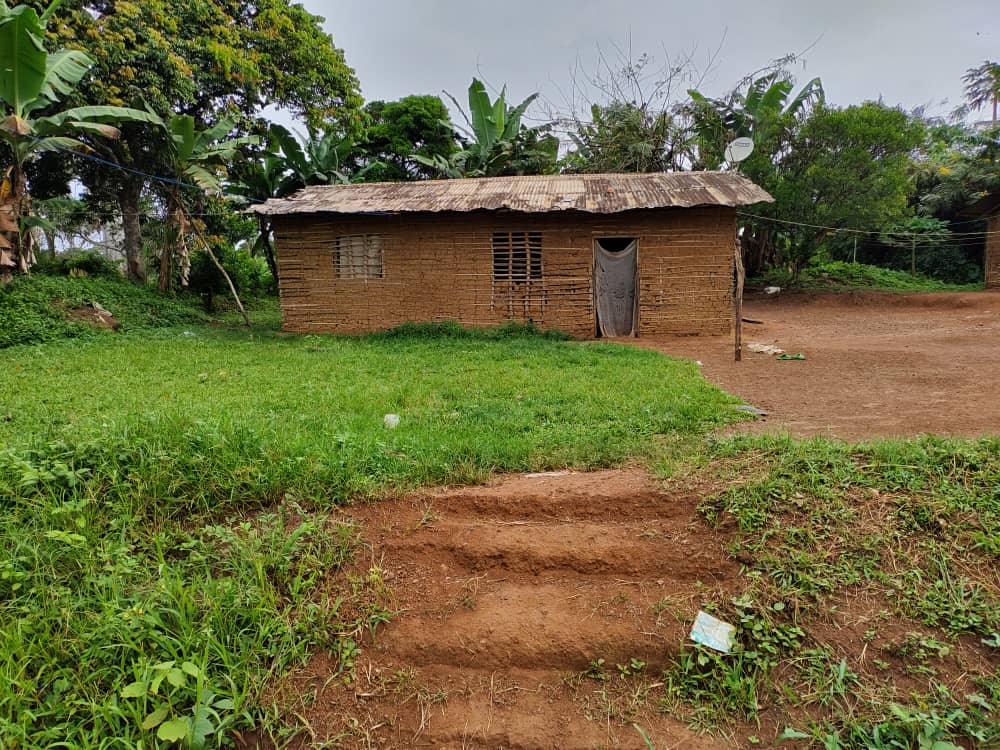
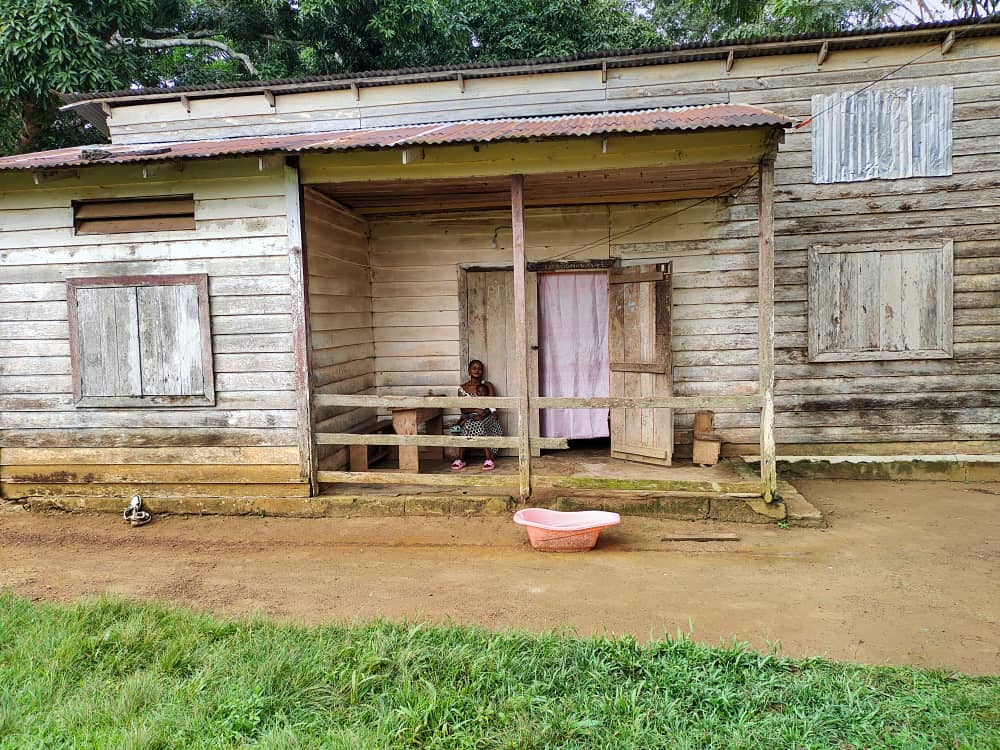
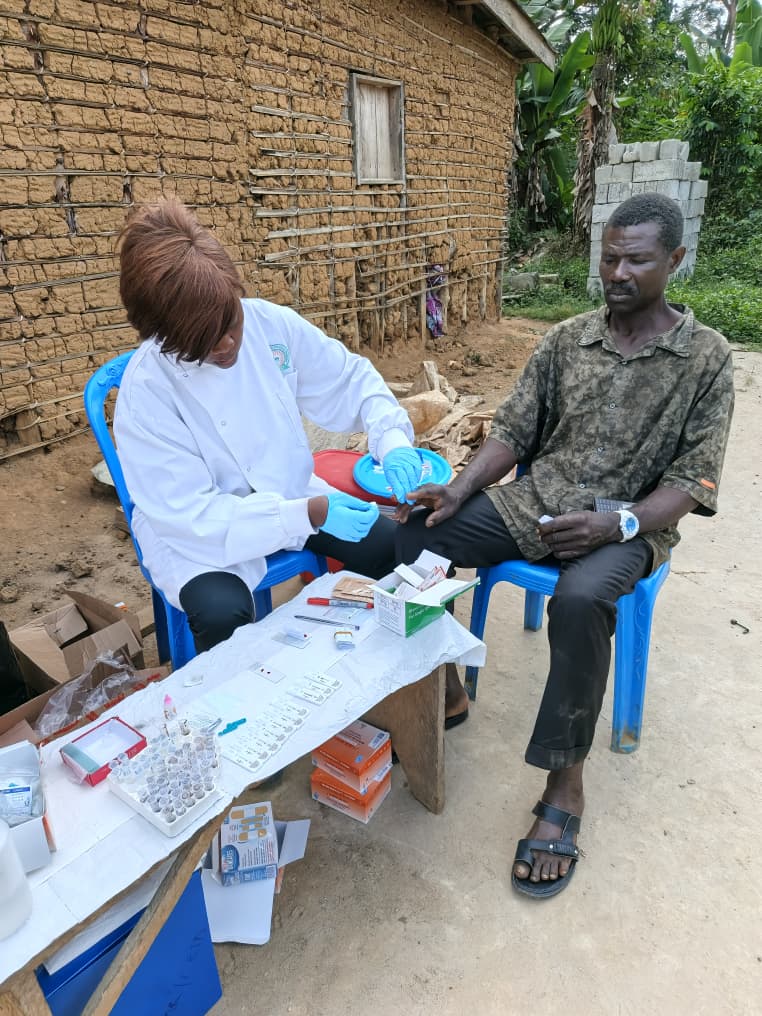
Community parasitological survey in Olama, from 1st to 10th december 2025
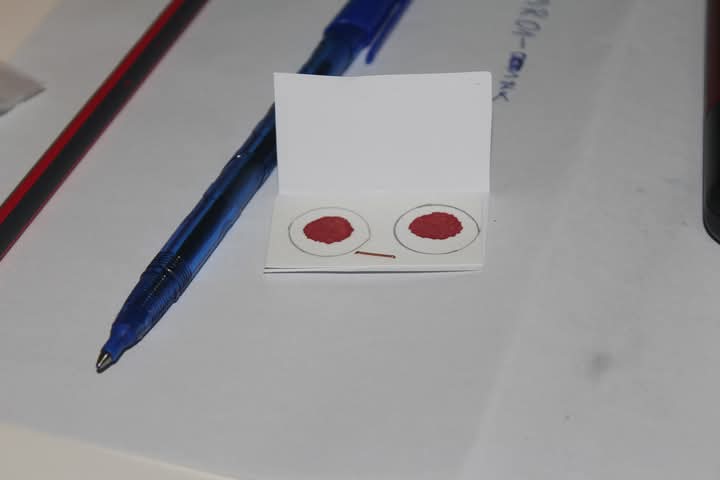
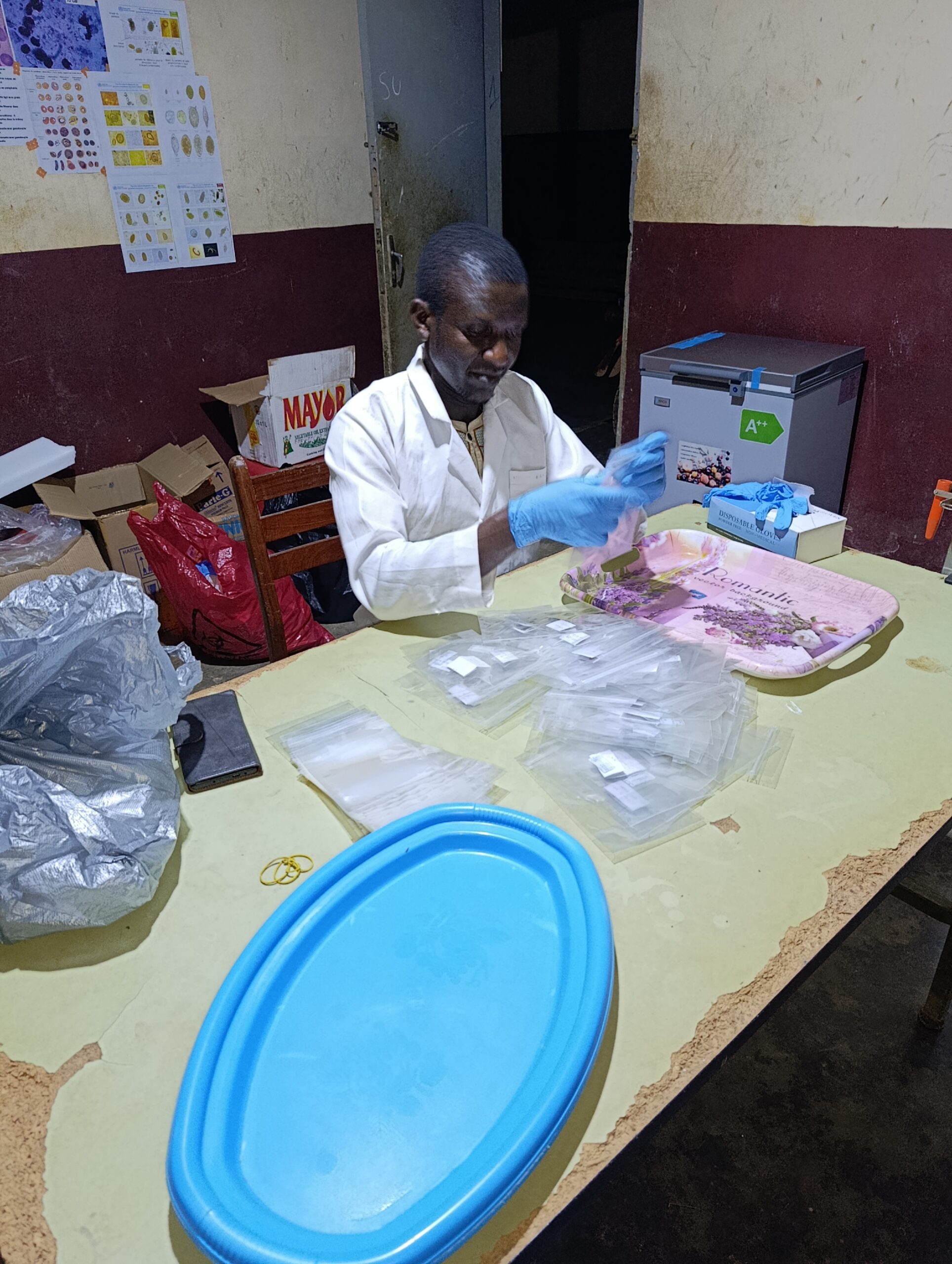
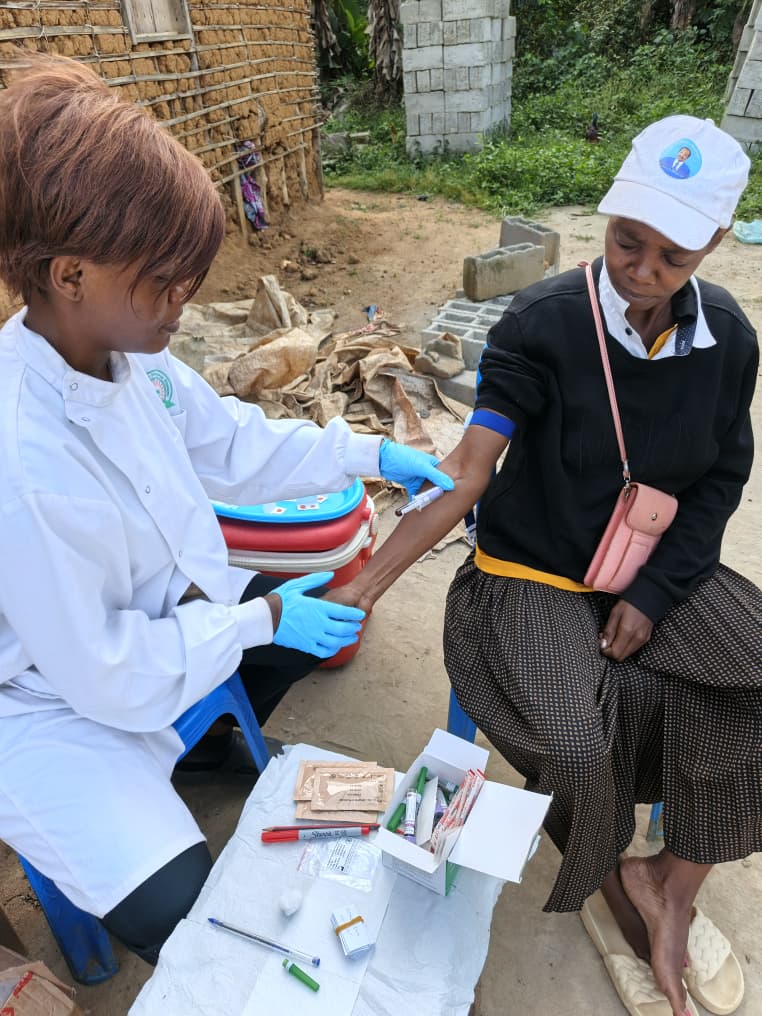
Community survey in the Olama village a rural area of Centre Region Cameroon. The aim of this survey was to collect samples in the asymptomatic population in purpose to characterize the differences plasmodium species circulating in the locality.
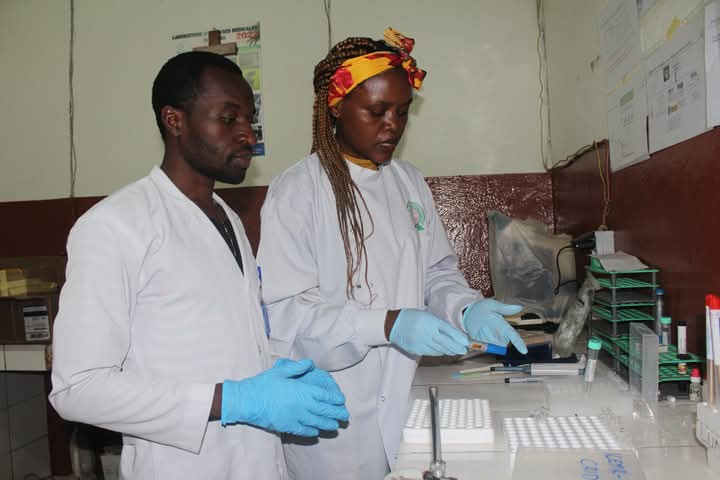
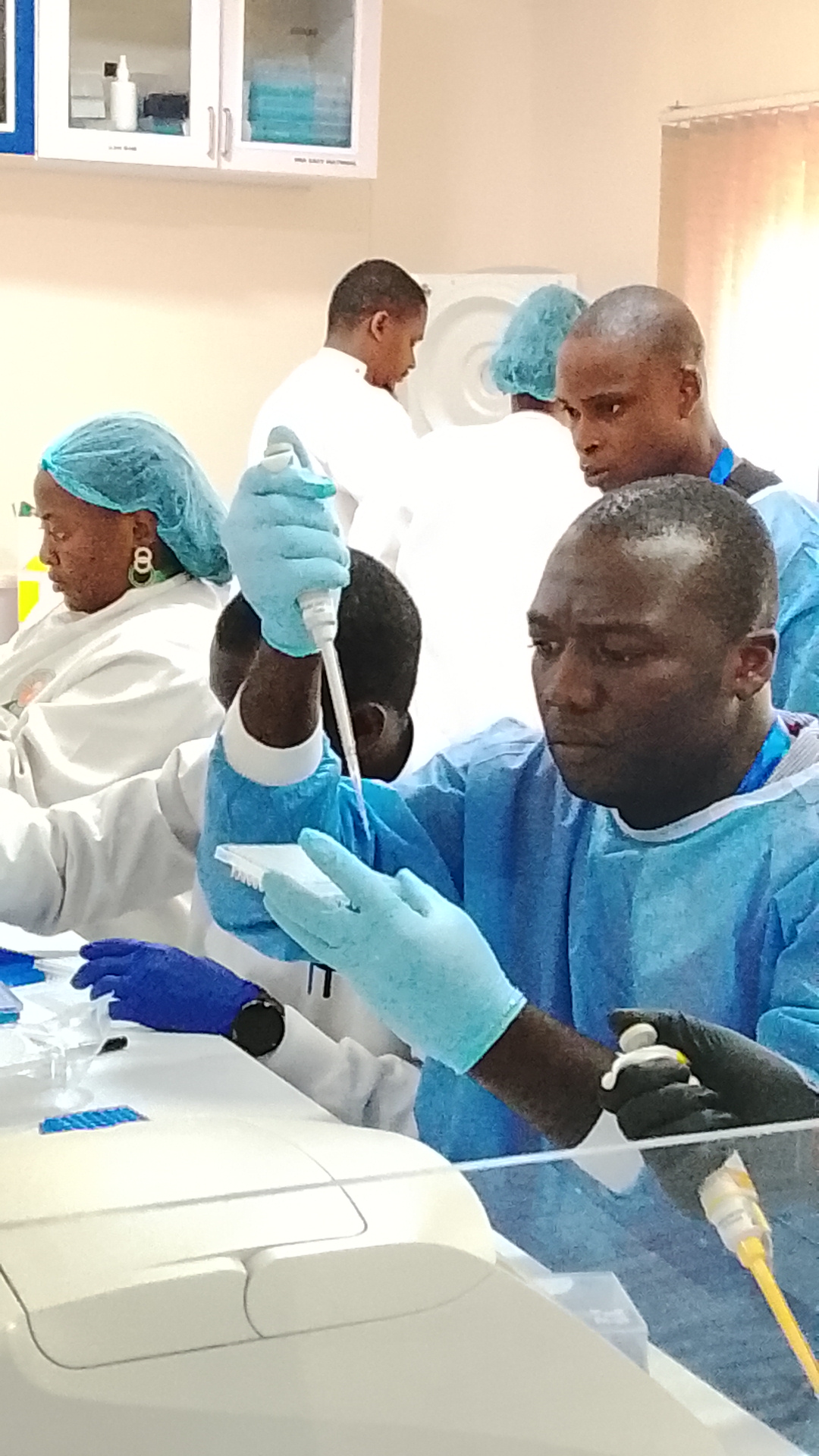
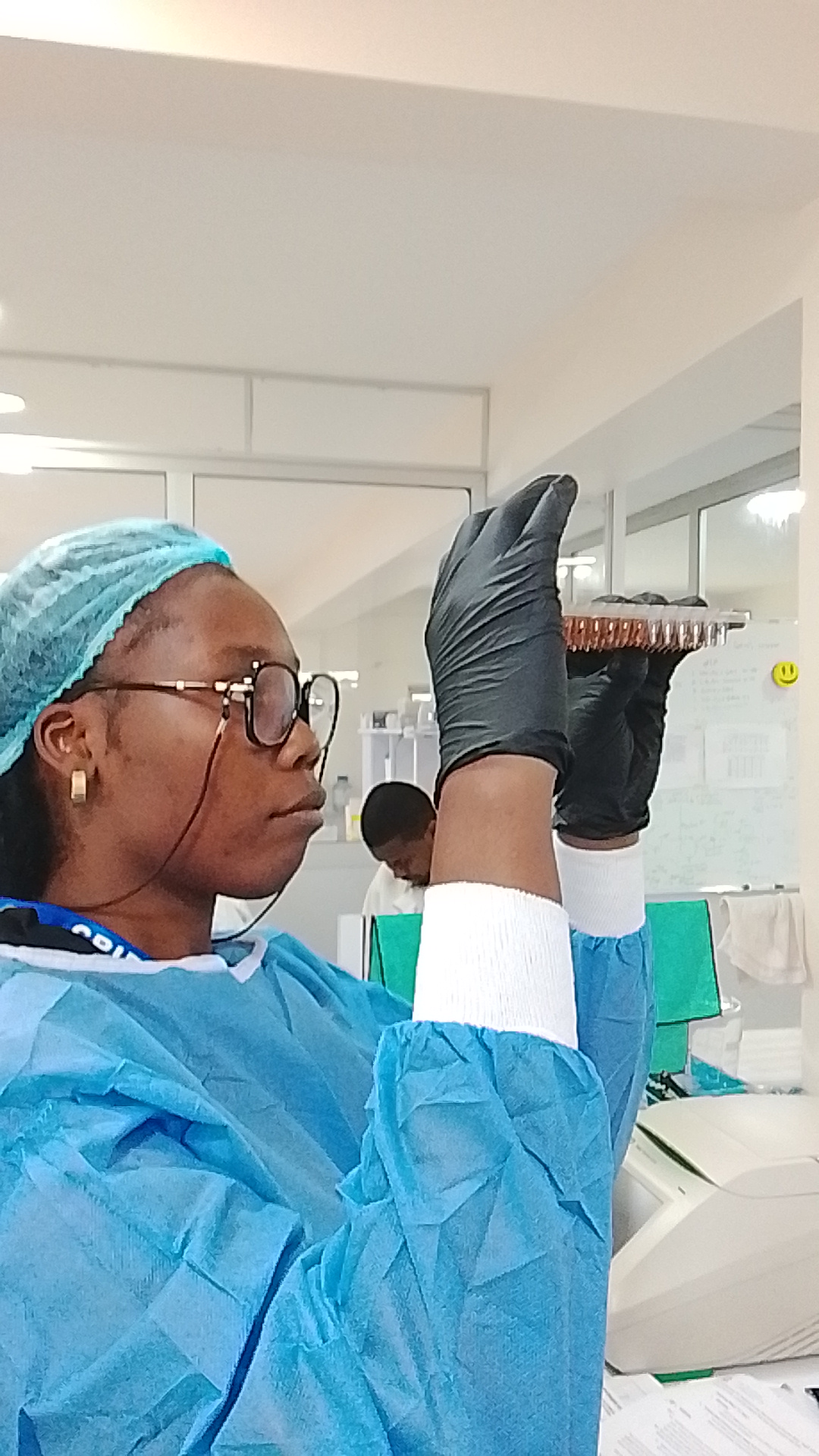
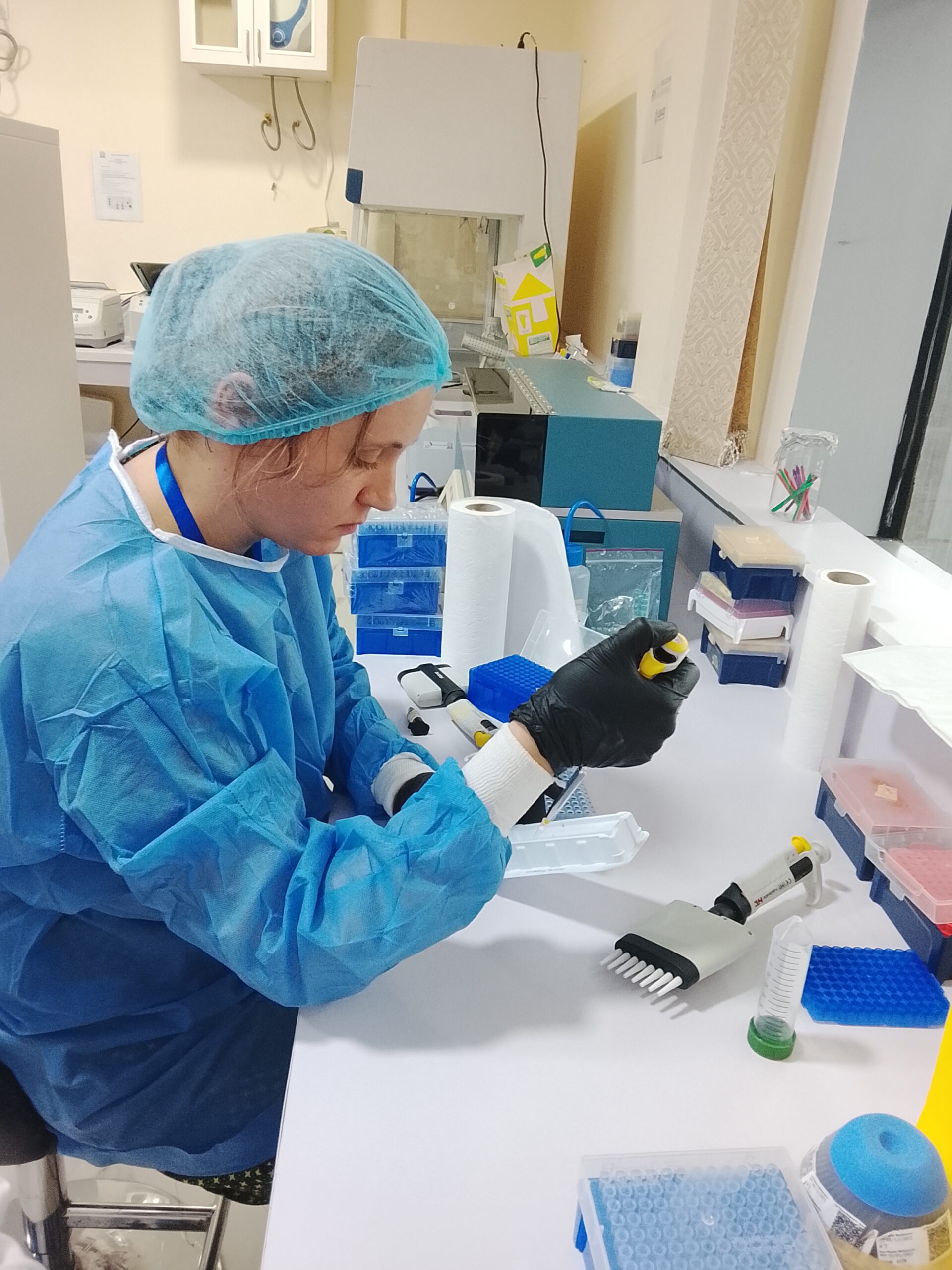
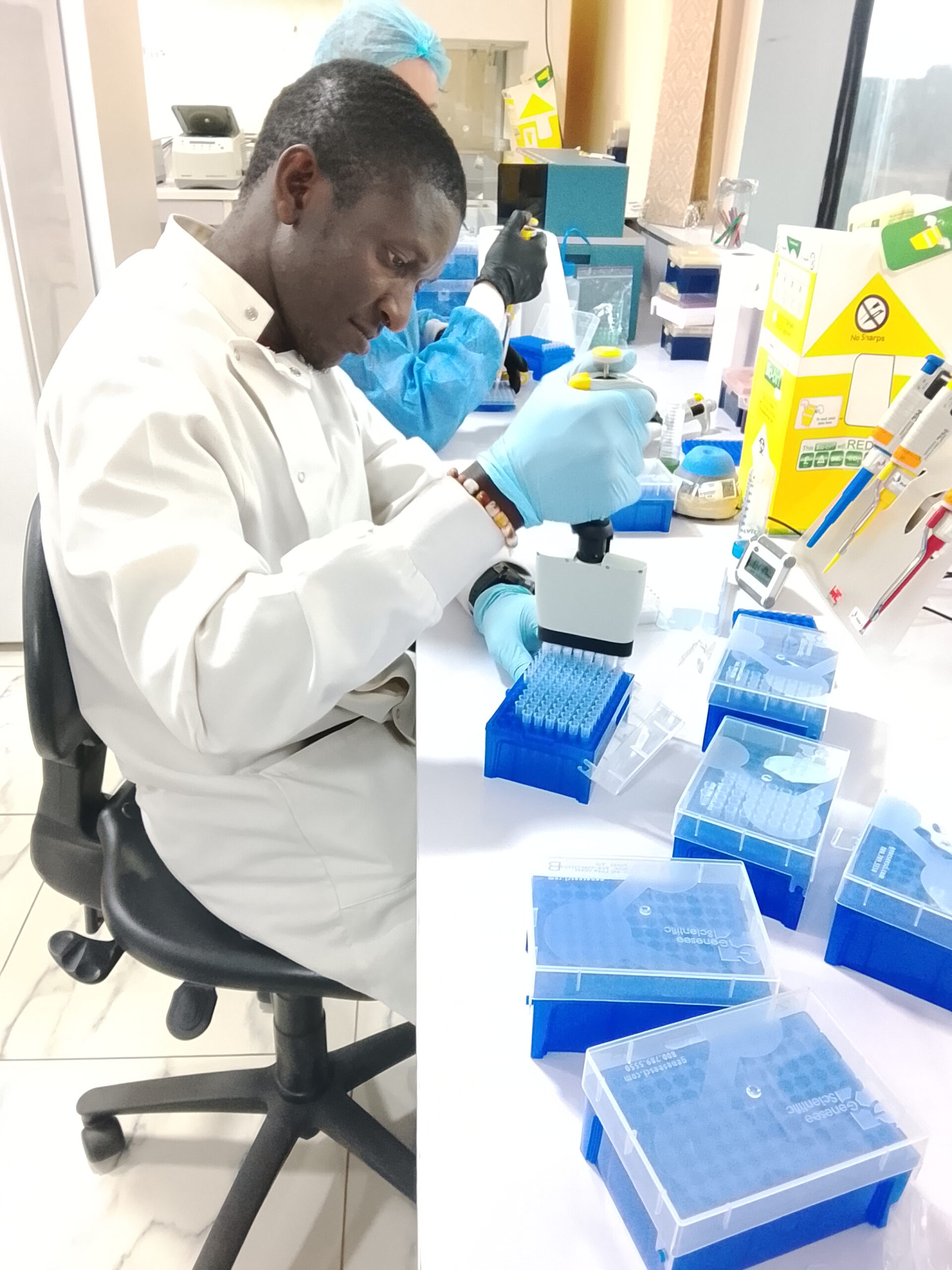
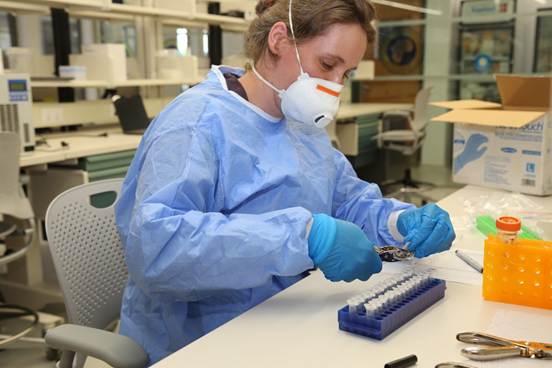
ICEMR TRAINING on Amplicon Sequencing, Molecular Inversion Probe and Nanopore from 19 to 30 January 2026 at CRID sequencing Lab.
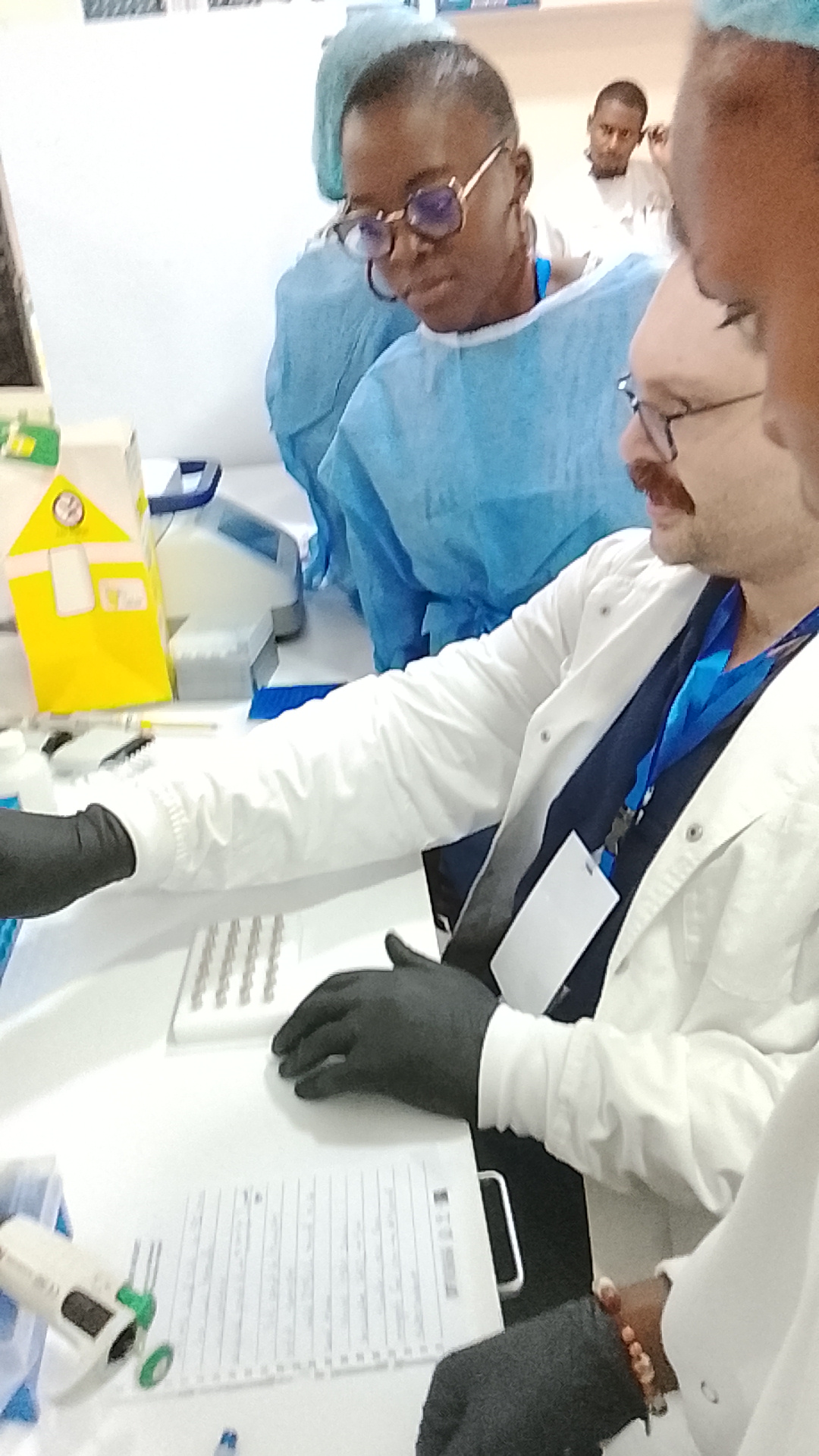
In January 2026, the Centre for Research in Infectious Diseases (CRID) hosted an intensive two-week genomic training program funded by the National Institutes of Health (NIH) through the International Center of Excellence for Malaria Research (ICEMR) program. The workshop brought together sixteen scientists from leading institutions, including the University of Dschang, Centre Pasteur du Cameroun, the Institute of Human Genetics (IGH), Nigeria, and CRID.
The objective of the training was to equip participants with advanced skills in Molecular Inversion Probe (MIP) and amplicon sequencing technologies in order to strengthen malaria genomic surveillance capacity. Through a comprehensive hands-on approach, participants were trained in complete genomic workflows, including DNA extraction, amplicon sequencing using PfSMARRTer workflow as well as MIP preparation.
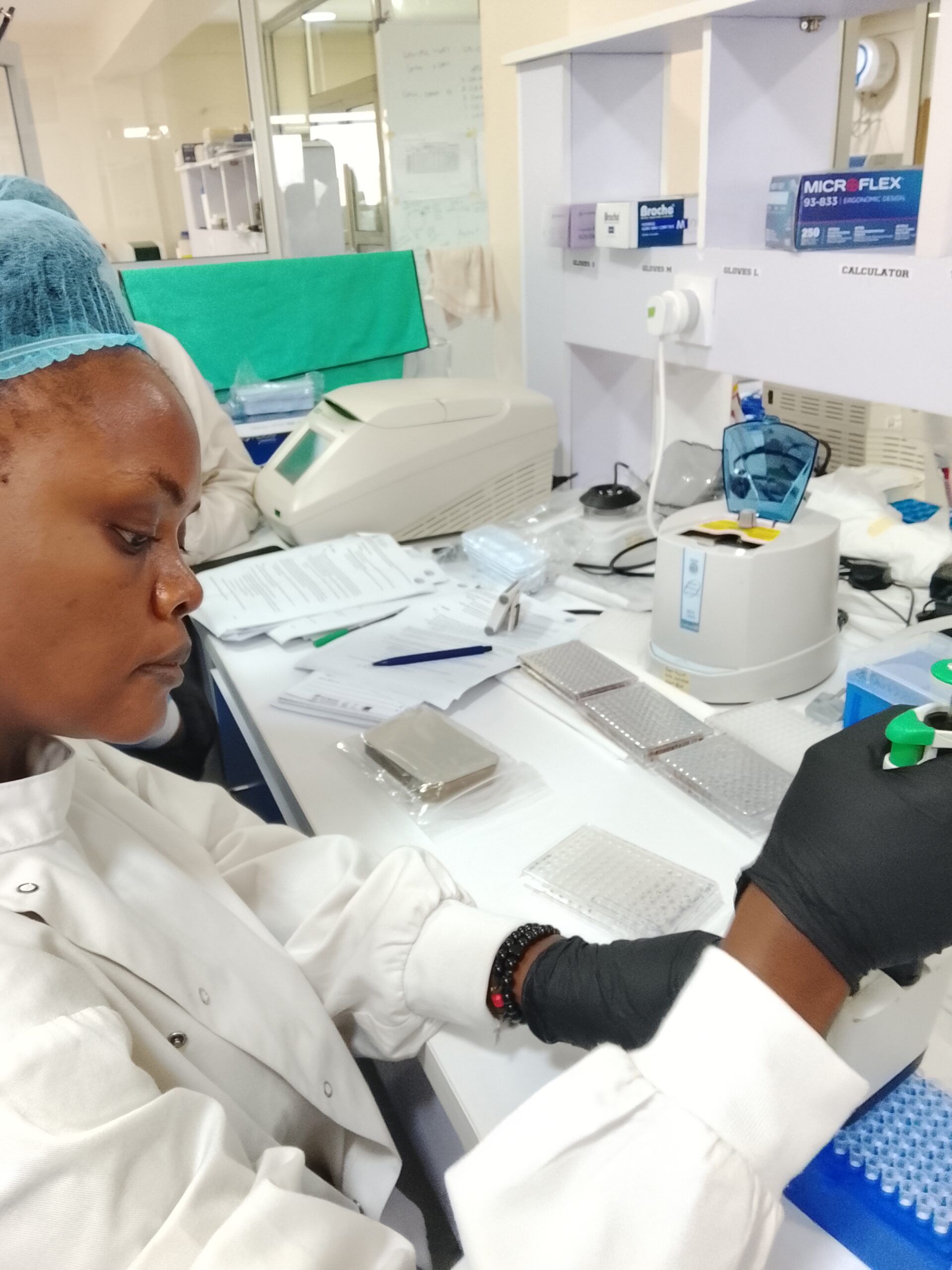
quantification of parasite species in hospital clinics from May-December 2025
The Institute of Genomics and Global Health lab team carried out qPCR speciation of ~600 blood samples collected in 2025 at two hospital sites in Osun state and one site in, in order to assess the prevalence of Plasmodium parasite species across location, age groups, and other variables. Additionally, the team is using the data to compare and assess the sensitivity of different Plasmodium detection methods (RDT and qPCR).
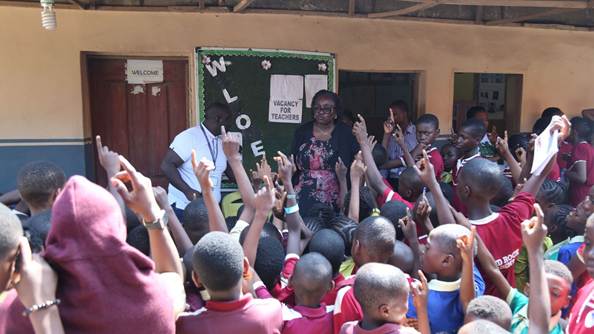
Gametocyte Screening at Akoda, Nigeria in December 2025
The Institute of Genomics and Global Health conducted a malaria screening of 200 students at a local private school, testing all students with mRDTs for malaria. Those who tested positive were provided free treatment, as well as had their blood drawn and screened for gametocytes.
Entomological Survey at Oloki, Nigeria from February 2026 onwards
The Institute of Genomics and Global Health team conducted human landing catches in Oloki, Osun State, Nigeria to characterize the dynamics of human exposure to malaria vectors. The collection will occur over the next one year period in order to assess vector behavior, species composition, determine seasonal variation in vector density and to quantify malaria transmission intensity.
Bednet Survey at Oloki, Nigeria, from March-May 2026
The Institute of Genomics and Global Health is implementing a bednet survey in Oloki, Osun State, Nigeria with the aim to assess the physical integrity and insecticidal efficacy of Long Lasting Insecticidal Nets (LLINs), including assessing their physical integrity and the insecticidal activity using susceptible laboratory strains and field collected mosquitoes.